



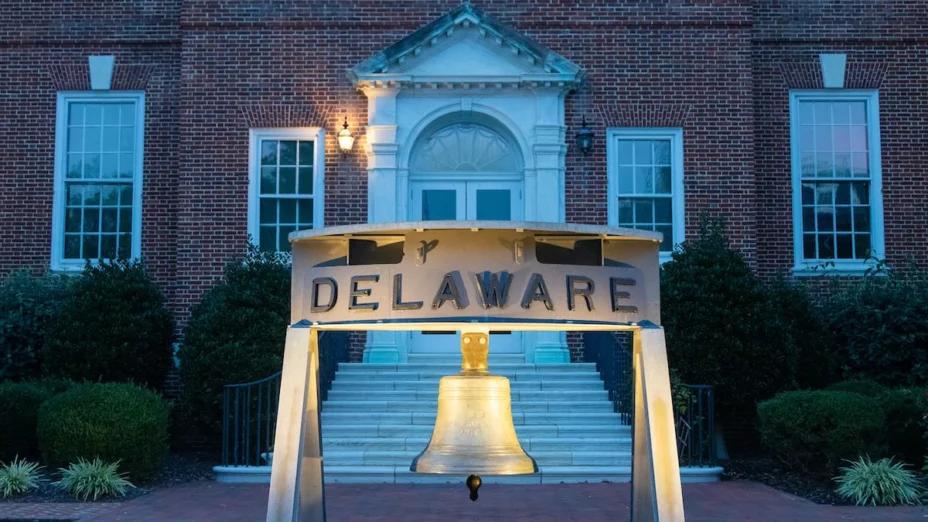
The state of Delaware has recorded a significant surge in combined sports betting and online gaming activity, with total wagers approaching $340 million in October — marking a substantial year-on-year rise.
Market Snapshot
In October, Delaware’s total sports and iGaming wagering handle reached approximately $339.8 million, representing a 66 per cent increase compared to the same month last year.
Despite this impressive growth, revenue across the state’s three commercial casinos dipped slightly — falling 1 per cent to around $35.1 million — underscoring a divergence between betting volume and traditional land-based gaming performance.
What’s Driving the Growth
Several factors appear to be behind the record handle:
- Expansion of mobile and online platforms enabling easier access.
- Increased promotional activity and marketing by operators seeking to capture more user engagement.
- Possibly higher engagement in sports betting given major autumn sporting events and heightened consumer interest.
- A shift of some gaming spend from land-based venues toward iGaming and sports wagering channels.
Implications for Stakeholders
Operators and regulators: For regulated operators, the surge in wagering volumes presents both opportunity and responsibility. Elevated handle gives potential for higher tax receipts and industry growth, but it also intensifies focus on player protections, responsible gaming frameworks and compliance.
Land-based venues: The slight revenue decline at traditional casinos suggests that while betting activity is growing overall, the locus of growth is shifting online. Land-based operators may need to adapt by strengthening digital offerings or enhancing the on-site experience to remain competitive.
Regulatory policy: For the state regulator, monitoring this growth becomes critical. The balance between encouraging market expansion and ensuring consumer safeguards becomes sharper as volumes rise.
Key Considerations
- Sustainability of growth: While October’s numbers are buoyant, maintaining such growth will depend on continued user engagement, effective marketing, and stable regulatory conditions.
- Revenue conversion: A high wager handle does not automatically translate into proportionate revenue gain; margins, payout rates, promotional costs and operator effectiveness play a major role.
- Competitive environment: Delaware sits within a tight regional market where nearby states’ gaming regulations and offerings can influence cross-border consumer behaviour.
- Responsible gaming concerns: As the market expands rapidly, the need for robust player-protection measures and accurate age-verification, responsible-gambling tools and transparent operator practices becomes ever more important.
Conclusion
Delaware’s gaming market appears to be entering a new phase, characterised by strong online momentum and growing consumer engagement. The near-$340 million wagered in October is a milestone moment, but the broader challenge for industry and regulators alike will be converting that growth into sustainable performance — while maintaining robust standards of consumer protection and adapting traditional gaming venues to the digital shift.