




Rhode Island’s online casino market has reached a significant milestone, recording $1.5 billion in total iGaming bets during 2025, its first full calendar year of regulated online casino operations. The figure underscores both the strength of consumer demand for digital gambling and the effectiveness of Rhode Island’s tightly controlled, state-backed iGaming model.
For a jurisdiction with a relatively small population and a single-operator framework, the result positions Rhode Island as one of the most efficient per-capita iGaming markets in the United States, and a case study for other states weighing online casino legislation.
From Launch to Scale: How Rhode Island Built Momentum

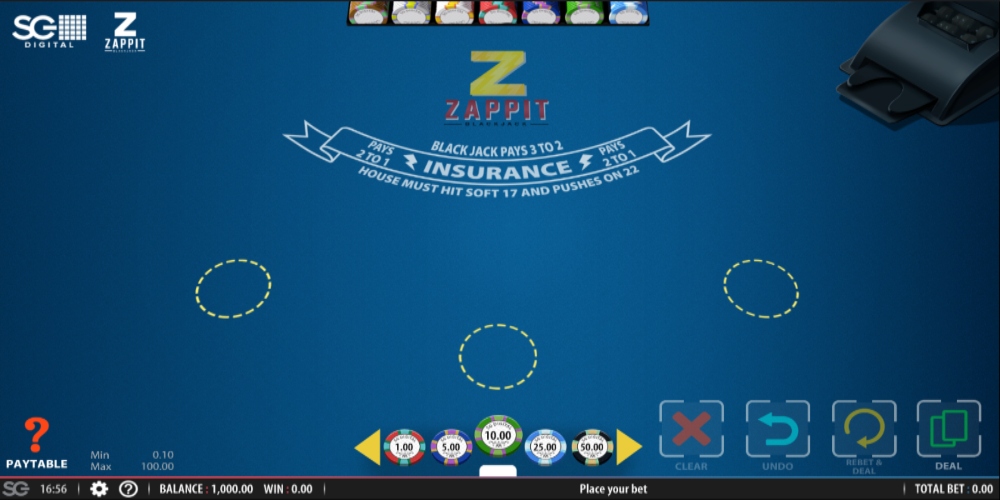

Rhode Island’s iGaming market officially entered its first full year of operation in 2025, following the statewide rollout of mobile casino gaming in March 2024. The offering allows players physically located within state borders to access a range of online casino products, including digital slot machines, blackjack, roulette and other table games.
The simplicity of the market structure has played a key role in its early success. Unlike larger U.S. iGaming states that operate with multiple competing brands, Rhode Island runs a single-operator model through its state lottery, with Bally’s Interactive responsible for platform delivery.
This approach has enabled rapid adoption, consistent product messaging and streamlined regulatory oversight, while ensuring that gaming revenues are efficiently channelled back into public funds.
Digital Convenience Drives Player Behaviour



Consumer behaviour has been central to the market’s growth. Mobile-first access has reshaped how players engage with casino gaming, favouring short, frequent play sessions over destination-based casino visits. For many Rhode Island residents, online access has removed geographic and time barriers that previously limited participation.
Industry observers note that younger adult demographics, already accustomed to mobile entertainment and digital payments, have been particularly receptive to online casino formats. At the same time, existing casino customers have migrated online, treating iGaming as a complementary channel rather than a replacement for land-based play.
The result has been a steady accumulation of betting volume throughout the year, culminating in the $1.5 billion figure that now defines Rhode Island’s first full iGaming cycle.
Revenue, Regulation and the Public Interest

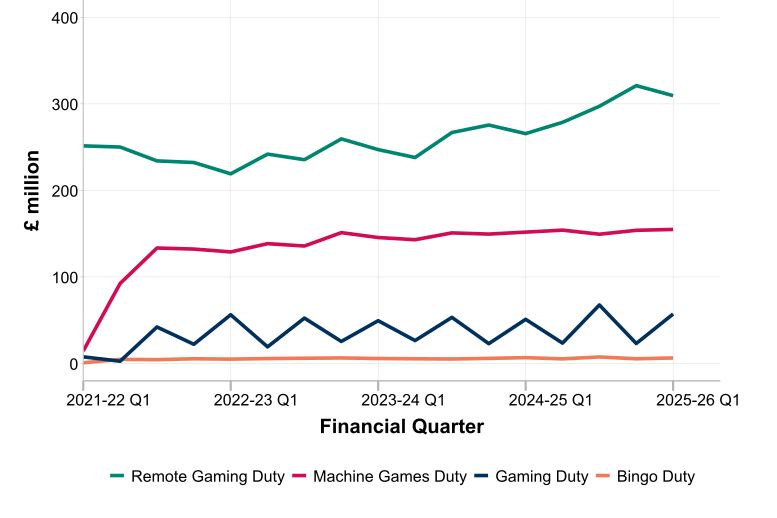
Beyond headline betting totals, Rhode Island’s iGaming performance carries broader fiscal significance. Online casino gaming generates a reliable stream of tax revenue for the state, supporting public services without requiring physical infrastructure expansion.
The regulatory framework prioritises player protection, responsible gambling controls and strict oversight of game integrity. This balance between accessibility and accountability has helped maintain public and political confidence in the sector, even as online gambling remains contentious in some U.S. jurisdictions.
The Rhode Island model demonstrates that iGaming can be introduced at scale while maintaining strong governance, an increasingly important consideration as federal scrutiny of digital platforms intensifies.
Rhode Island in the National iGaming Context
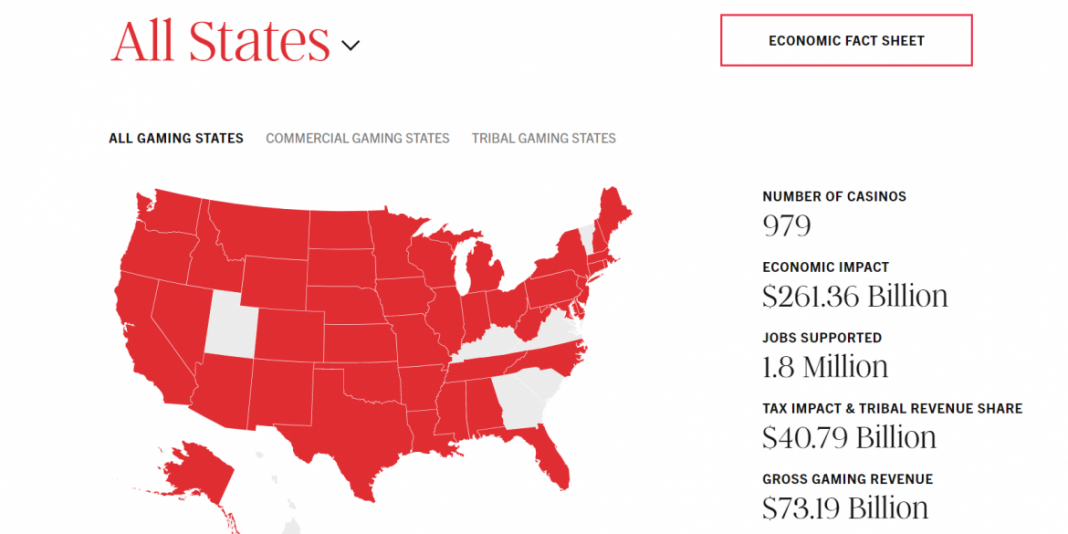
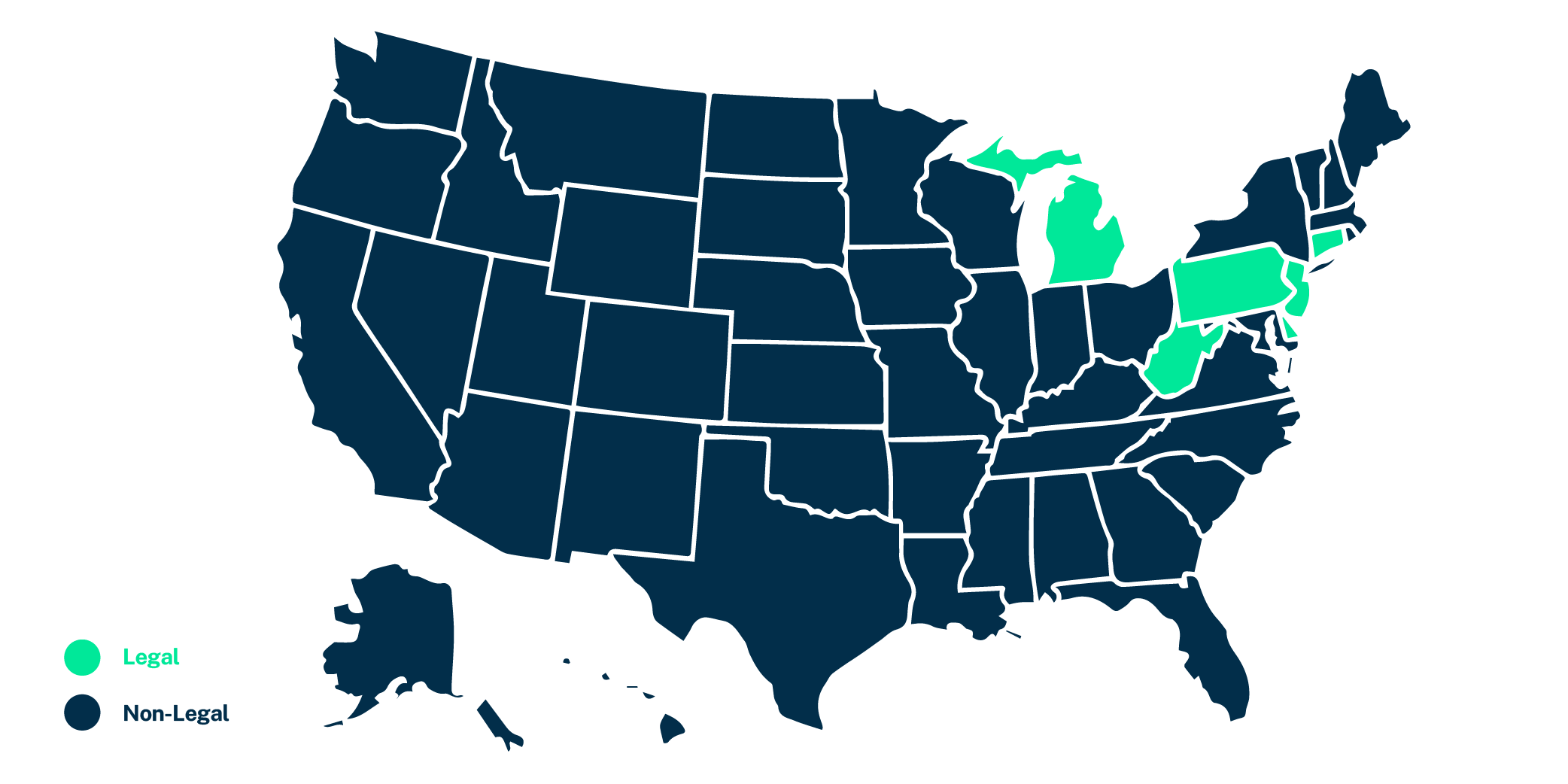
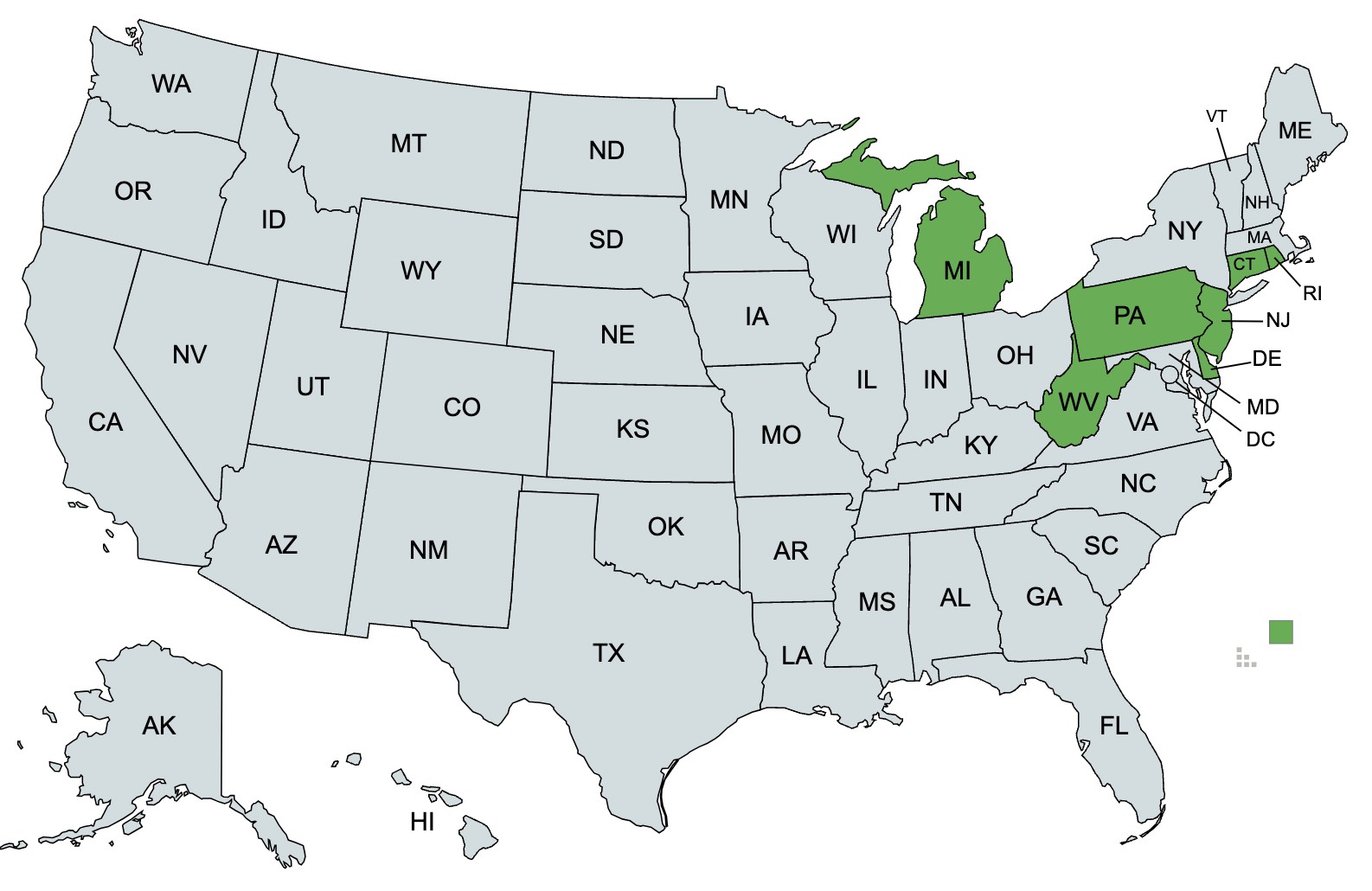
Only a handful of U.S. states currently offer full iGaming, including New Jersey, Pennsylvania, Michigan, Connecticut and West Virginia. Many of these markets operate competitive, multi-operator ecosystems that drive innovation but also fragment market share.
Rhode Island’s performance stands out because it has achieved scale without competition-driven fragmentation. While absolute revenues remain smaller than those of larger states, the per-capita betting volume highlights how demand for online casino gaming is not confined to major population centres.
As more states explore online casino legislation to offset budget pressures and modernise gaming frameworks, Rhode Island’s results are likely to feature prominently in policy discussions.
Sports Betting, Enforcement and Market Discipline


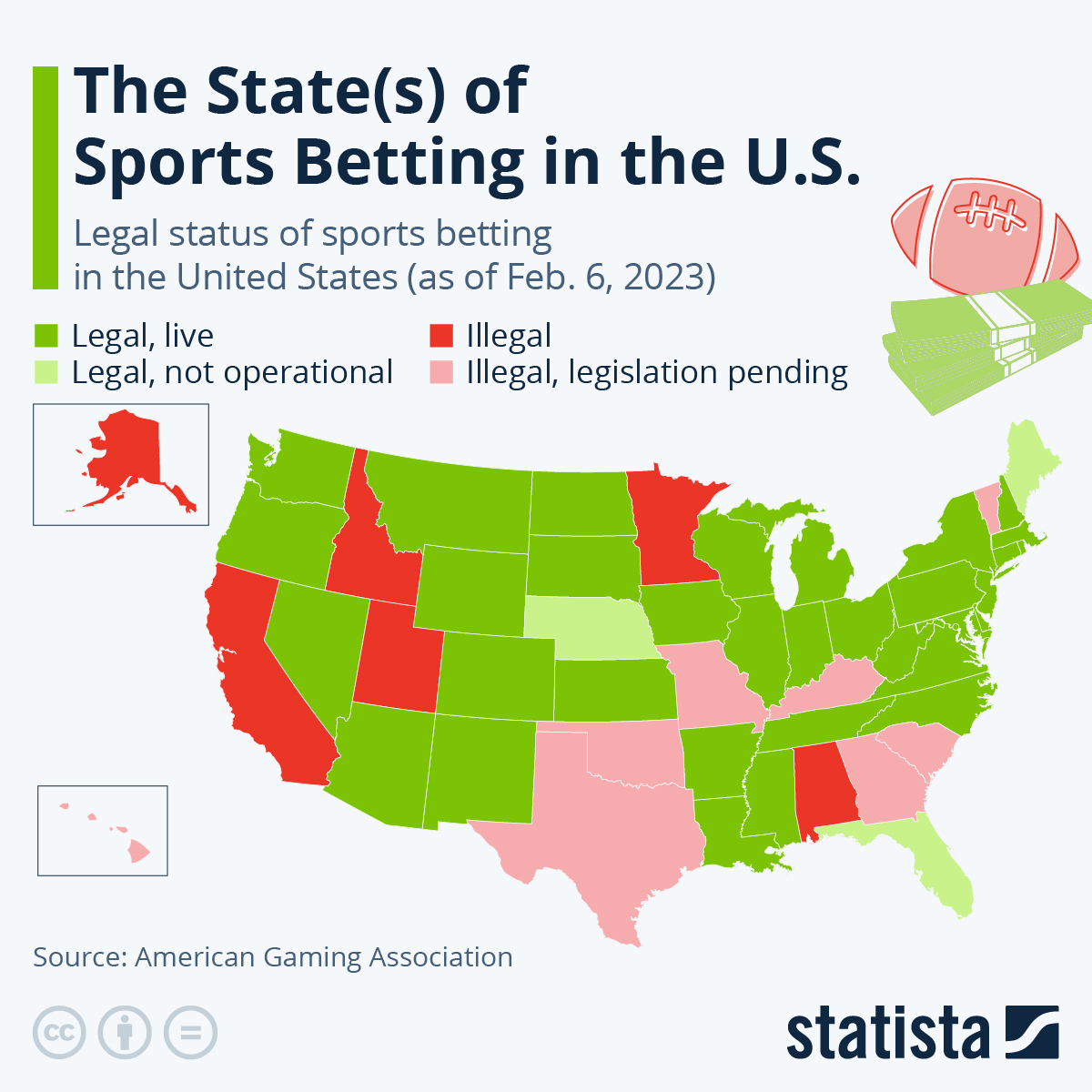
Alongside iGaming, Rhode Island continues to operate regulated sports betting across both retail and mobile channels. While sports wagering remains a distinct vertical, the coexistence of both products within a single regulatory ecosystem has strengthened overall market stability.
State authorities have also increased enforcement efforts against offshore and unlicensed operators, reinforcing the value of regulated platforms for both consumer protection and revenue retention. This regulatory discipline has helped ensure that growth in online betting activity benefits the legal market rather than illicit alternatives.
Looking Ahead: Sustainability and Strategic Choices


Rhode Island now faces the challenge of sustaining momentum beyond its landmark first full year. Questions around market expansion, product innovation and long-term player engagement will shape the next phase of growth.
There is ongoing debate over whether introducing additional operators would increase competition and innovation, or dilute the efficiencies of the current model. At the same time, continued investment in responsible gambling tools and data-driven player protection will be essential as betting volumes rise.
What is clear is that Rhode Island has firmly established itself as a credible iGaming jurisdiction. The $1.5 billion betting milestone is not simply a financial achievement, but a signal that regulated online casino gaming has become a permanent and influential component of the U.S. gambling landscape.